
How Generations Differ in the Workplace
A new global survey highlights how differently each generation is adopting AI on the job, and how training plays a defining role in whether employees actually use the tools available to them.
With Gen Z leading adoption and older generations following at a distance, the data reveals both a growing skills gap and a major opportunity for organizations willing to invest in AI training.
This Week’s Featured Jobs: Find your next career move
Manager/Director of Tax, Compliance, and Investor Reporting – Waltham, MA | $130k-$150k/year
Accounting Manager or Senior Accountant – Quincy, MA | $100k-$120k/year
AP Manager – Quincy, MA | $120k-$130k/year
AR Specialist – Westford, MA | $65k-$78k/year
Senior AP Specialist – Quincy, MA | $65k-$75k/year
Accounting Manager – Manchester, CT | $125k-$135k/year
Controller – Fall River, MA | $100k-$130k/year
Senior Tax Manager – Bedford, NH | $150k-$190k/year
Technical Accounting & Reporting Manager – Waltham, MA | $125k-$150k/year
Senior Manager Accounting / Assistant Controller – Lowell, MA | $140k-$160k/year
Corporate Controller – Waltham, MA | $200k-$250k/year
Senior Accountant – Ashland, MA | $90k/year
The Generational Divide of AI in the Workplace
A new survey from the London School of Economics, sponsored by Protiviti, reveals a sharp generational shift in how employees are using AI on the job.
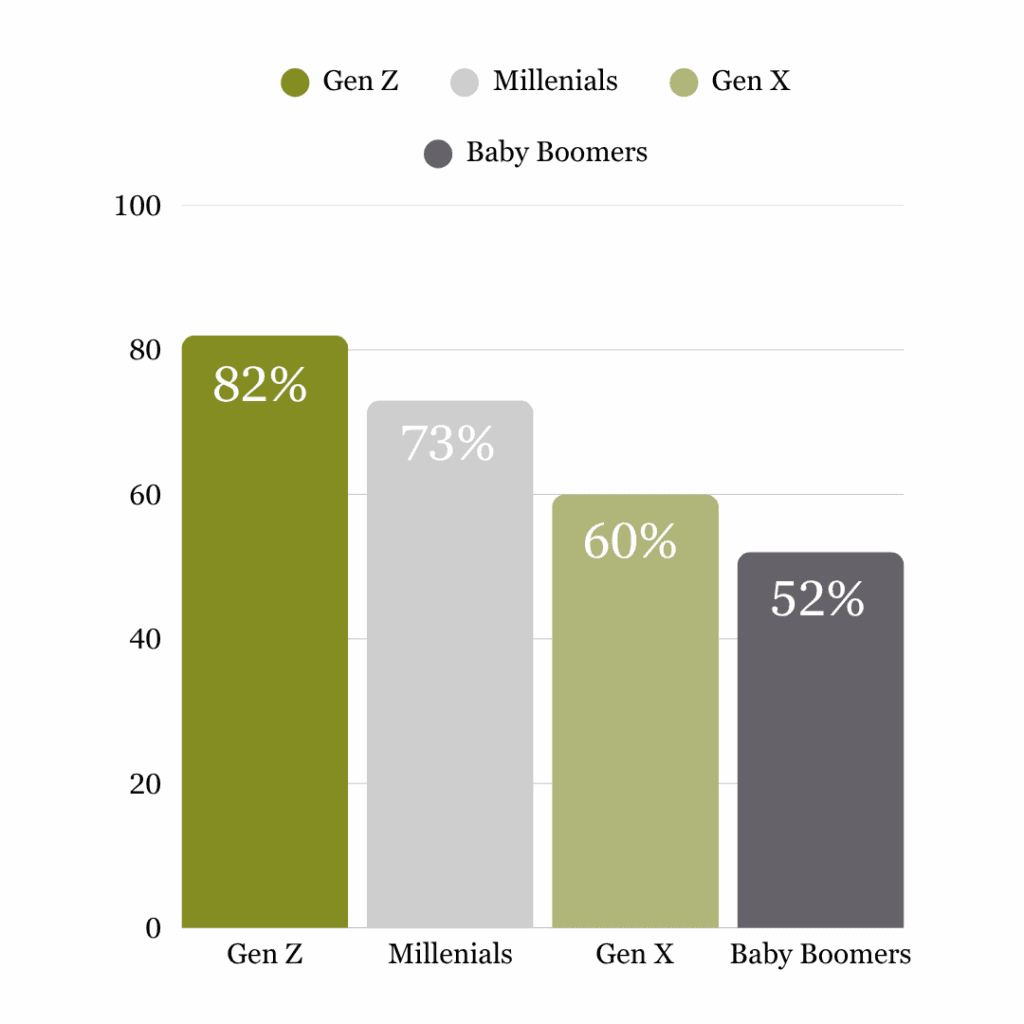
While 70% of employees across all ages use AI at work, adoption varies notably by generation (poll included 2,794 “professional employees” and 240 executives in 30 countries).
For those who do embrace AI, the impact is notable. Employees apply AI to 31% of their daily tasks, saving an average of 7.5 hours per week. Additionally, more than one-third of workers are participating in AI-related initiatives, including almost half of Gen Z employees. Participation rates drop to around 30% among Gen Xers and boomers.
One of the most influential factors in AI adoption is training. Only one-third of employees surveyed reported receiving formal AI training within the past year, a data point echoed by a separate OwlLabs and Pulse survey showing just 38% of companies offer AI training, despite nearly 70% providing AI tools.
The training gap has a major effect on usage. 93% percent of trained employees say they use AI, compared to 57% of those without training. The results suggest that while AI tools may be readily available, organizations must invest in training to ensure employees can confidently and effectively incorporate them into their work, regardless of whether they grew up in the digital age.
Every great career move starts with the right partner, let yours be KBW Financial Staffing & Recruiting.
